
Bitumen 70/100 – Penetration Grade Paving Bitumen

Bitumen 70/100 is a penetration-grade paving binder formulated for excellent flexibility, workability, and resistance to cracking. Ideal for road construction and asphalt applications in temperate and cooler climates, Bitumen 70/100 delivers reliable performance, durability, and long-term pavement strength for contractors and infrastructure projects worldwide

What Is Bitumen 70/100?

Bitumen 70/100 is a penetration grade bitumen defined by a penetration value of 70 to 100 decimillimetres at 25°C, indicating its hardness and consistency. This semi-soft grade is widely specified for road construction, asphalt manufacturing, and pavement engineering projects across temperate and cooler climate regions worldwide.

Bitumen 70/100 offers excellent flexibility, workability, and resistance to cracking, making it a dependable choice for demanding paving applications. Its balanced penetration range ensures stable performance under varying temperatures, while maintaining durability, adhesion, and long-term structural strength across highways, airport runways, and urban road surfaces alike.

At Blackrock, Bitumen 70/100 is consistently manufactured to strict quality standards, ensuring consistent penetration, softening point, and viscosity for every batch. It is ideal for contractors, infrastructure developers, and asphalt producers seeking a reliable, high-performance binder for road construction, pavement rehabilitation, and large-scale infrastructure projects globally.

Bitumen 70/100 Specification

Bitumen Penetration Grade 70/100 Specifications

Essential Details

Test Method

Unit

Min.

Max.

Bitumen 70/100 MSDS

pdf

Bitumen 70/100 Safety Data Sheet

Looking for Reliable Bitumen Supply?

Ready to Secure Your Next Bitumen Shipment?

Our Packaging

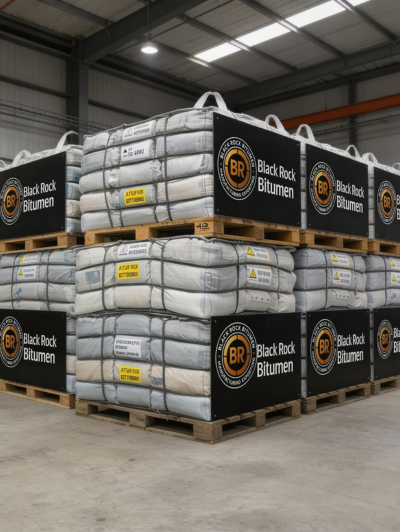
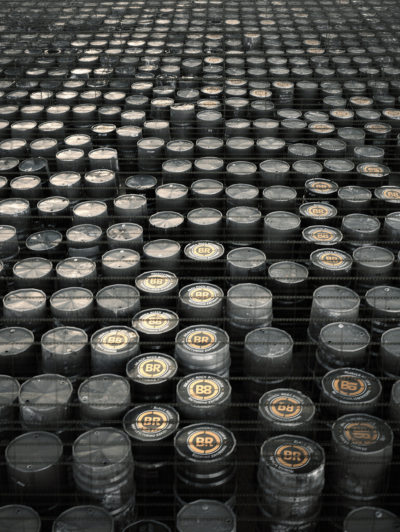
We deliver bitumen in versatile, secure options: economical Jumbo Bags, robust steel Drums, or high-volume Bulk Containers (Bitutainers/Bituboxes).

Terms of Payment

Payment Terms for Smooth Transactions

TT Method

The buyer pays 30% advance, with the balance against B/L draft (CFR) or customs docs (FOB).

LC at Sight

100% irrevocable, non-transferable, confirmed LC at sight, subject to bank approval by Black Rock Bitumen.

Get in Touch for Bitumen Orders & Inquiries

    0

    Tons Supplied

    0

    Client Retention Rate

    0

    Specialized Bitumen Grades

    0

    Successful Shipments

    Our faqs

    Frequently Asked Questions.

    Our 70/100 penetration grade bitumen is a soft paving binder offering enhanced flexibility and crack resistance for moderate to cooler climate conditions.

    Bitumen 70/100 is a penetration grade paving bitumen with a penetration value of 70 to 100 (0.1mm at 25°C), making it a soft, flexible binder suited for asphalt and road construction.

    Bitumen 70/100 has a penetration range of 70–100 decimillimetres, tested at 25°C under 100g load for 5 seconds per EN 1426, with a softening point of 43–53°C.

    Bitumen 70/100 is softer and more flexible than Bitumen 50/70, offering better resistance to low-temperature cracking, while Bitumen 50/70 suits warmer, higher-traffic applications.

    Black Rock Bitumen supplies Bitumen 70/100 to the EN 1426 penetration grade standard; equivalent ASTM grades like Bitumen 80/100 are available separately for markets requiring ASTM specification.

    Bitumen 70/100 offers improved flexibility, strong low-temperature crack resistance, easy workability, and reliable performance across moderate and cooler climate paving projects.

    Bitumen 70/100 should be stored in heated tanks within recommended temperature limits, protected from overheating, and handled with clean equipment to maintain quality and specification compliance.

    Black Rock Bitumen supplies Bitumen 70/100 in jumbo bags, steel drums, and bulk containers (Bitutainers/Bituboxes), allowing flexible shipment sizes for contractors and EPC companies.

    Bitumen 70/100 is used in road construction, urban and rural paving, asphalt concrete mixes, and low-to-medium traffic pavements, especially across temperate and cooler climate regions.