
Roads are a part of our daily lives but not many of us consider what is keeping them together. One of the most widely used materials in road building is bitumen. It contributes to strength, flexibility, and durability of surfaces under varied climates and traffic conditions.
In today’s infrastructure projects, bitumen supply for road construction depends on material quality, correct grading, and consistent sourcing. With growing demand for long-lasting roads, understanding bitumen helps project planners, contractors, and buyers make better decisions from the start.
Many Bitumen Suppliers now serve global markets, offering products that meet international standards for road works, airports, and industrial surfaces.
Key Takeaways
- Bitumen is a binding material used mainly in road construction
- Different types of bitumen suit different weather and traffic needs
- Quality bitumen improves road life and surface performance
- Proper storage and usage influence the long term outcomes.
- Global supply requirements aid in uniformity across projects.
What Is Bitumen?
Bitumen is a black, sticky material derived from crude oil during the refining process. It is a glue that binds aggregates to create asphalt surfaces that are applied in roads, highways, and pavements.
Because bitumen remains flexible under pressure, it allows road surfaces to expand and contract with temperature changes. The attribute minimises crack and surface damage with time.
Key characteristics of bitumen include:
- Water resistance
- Strong binding ability
- Traffic load adaptability.
- Weather resistance.
These properties make bitumen suitable for both urban roads and heavy-duty highways.
Why Bitumen Is Used in Road Construction
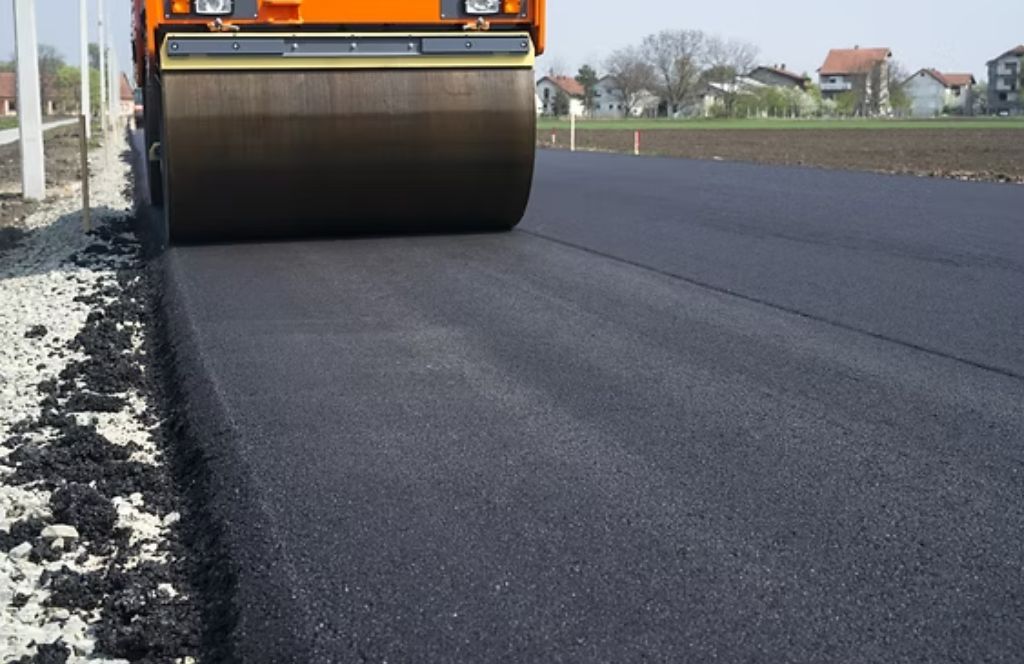
Bitumen is chosen for road construction because it supports durability while remaining adaptable to environmental conditions.
Main reasons for its use:
- Helps roads have vehicle movement at all times.
- Minimises the surface wear that is a result of heavy traffic.
- Permits smoother driving surfaces.
- Facilitates faster maintenance and resurfacing.
Many infrastructure projects rely on road construction bitumen because it balances strength with surface performance, especially in regions with temperature variations.
Common Types of Bitumen Used in Roads
Different road projects require different bitumen grades. It is selected based on the traffic volume, climate and surface design.
1. Penetration Grade Bitumen
Commonly used in conventional road building projects. It is rated in terms of hardness and depth of penetration.
2. Viscosity Grade Bitumen
Favoured in contemporary paving due to controlled flow characteristics and enhanced temperature stability.
3. Oxidised Bitumen
Applied primarily in industrial and waterproofing work, but also supports certain road layers.
4. Bitumen Emulsion
A mixture of bitumen, water, and emulsifying agents. Appropriate both in surface applications and in cold applications.
Bitumen Grades and Their Typical Uses
| Bitumen Type | Common Use | Suitable Conditions |
| Penetration Grade | Standard road paving | Moderate climates |
| Viscosity Grade | High traffic roads | Variable temperatures |
| Oxidised Bitumen | Industrial layers | Heat resistant needs |
| Bitumen Emulsion | Surface dressing | Cold application areas |
This table can be used to understand the importance of choosing the correct grade when initiating any road project.
Benefits of Using Bitumen in Road Projects
Bitumen offers several advantages that support long-term road performance.
Key benefits include:
- Enhanced surface durability.
- Less frequent maintenance.
- Increased protection against water damage.
- Silent and comfortable ride.
These advantages contribute to safer roads and reduced repair expenses in the long run.
How Bitumen Supports Sustainable Road Development
Modern bitumen products support recycling and reuse. Reheating and reusing old asphalt will cut waste, and save on raw materials.
Other environmental advantages are:
- Reduced use of energy in resurfacing.
- Reduced material waste
- Long surface life cycle.
This makes bitumen a preferred option in long-term infrastructure planning.
Storage and Handling of Bitumen
Products should be stored properly to ensure quality.
Best handling practises involve:
- Storage in regulated temperatures.
- The prevention of water pollution.
- Containers like bulk tanks or drums should be used, and approved.
- Safety during transportation.
The appropriate handling will give the same performance in application.
Choosing the Right Bitumen Supplier
Choosing the appropriate supplier facilitates quality, consistency and delivery in time.
Some of the things that should be checked are:
- Product testing standards
- Packaging options
- Export experience
- Meeting international specifications.
Buyers often work with companies like Black Rock Bitumen to access certified materials and reliable export support across multiple regions.
How Bitumen Quality Affects Road Performance Over Time
The quality of bitumen used during construction has a direct impact on how a road performs as it ages. Roads built with properly graded and well-handled bitumen are more likely to maintain surface stability under traffic and weather stress.
Long-term road performance depends on several factors:
- Regular grading ensures consistency of surface strength.
- Proper temperature control upon application promotes proper bonding.
- Quality testing minimises the risk of premature surface failure.
- Proper packaging and transportation helps maintain the material state.
When bitumen quality is managed carefully from sourcing to application, roads are better equipped to handle daily traffic loads and seasonal temperature changes. This minimises unnecessary repairs and offers easier driving conditions in the long run.
Conclusion
Bitumen remains one of the most reliable materials used in road construction due to its flexibility, durability, and ability to perform under varying traffic and climate conditions. Knowledge of its types, applications, and advantages assists the contractors, engineers, and planners in choosing solutions that ensure surface strength and durability.
As infrastructure demands continue to grow, working with experienced suppliers such as Black Rock Bitumen helps ensure access to quality materials, consistent grading, and dependable global delivery. When planning a road project, reviewing bitumen grades early can help reduce surface issues and delays later in the process.
Spending time to learn about material specification prior to sourcing will also point to improved construction results, easier project coordination, and extended life of roads.

Content Writer, Global Bitumen Supply & Market Insights, Black Rock Bitumen
Farheen Fatima is an infrastructure materials writer specializing in bitumen supply, asphalt technology, and global road construction. He shares practical insights on bitumen grades, supplier evaluation, and international standards to help contractors and project teams make informed procurement decisions.