Objective
This blog explains how oxidized bitumen grades are used in roofing, waterproofing, and industrial coatings. This will help you understand the concept of oxidized bitumen, why it is a great choice in tough conditions, and how it compares to other types of bitumen, such as Cut Back bitumen. It will also explain how it is used in a bitumen waterproofing membrane and why choosing the right oxidized bitumen brand is important.
Key Takeaways
- Oxidized bitumen grades have been designed to be strong and durable.
- They work well in roofing and waterproofing systems.
- They resist water, heat, and the effects of aging.
- They are widely used as industrial coatings.
- These differ from Cut Back bitumen in composition and performance.
- Quality is dependent on the source of an established oxidized bitumen producer.
Table of Contents
- What is Oxidized Bitumen?
- Understanding Oxidized Bitumen Grades
- The advantages of oxidized grades of bitumen roofing
- Benefits of Bitumen Waterproofing Membrane Systems
- Use for Industrial Coatings
- Oxidized Bitumen vs Cut Back Bitumen
- How to choose the Best Oxidized Bitumen Manufacturer matters
- Did you know the facts?
1. What is Oxidized Bitumen?
Oxidized Bitumen is a form of bitumen that is treated with air at a high temperature. This alters the material’s physical characteristics. It makes the material more durable and heat-tolerant.
During production, air is blown across hot bitumen. This causes it to soften. This also increases resistance to flow at high temperatures.
This makes oxidized bitumen grades ideal for roofing and waterproofing, where weather and heat are the primary factors.
Black Rock Bitumen understands how these grades are utilized in industrial and construction projects around the world.
2. Understanding Oxidized Bitumen Grades
Different kinds of bitumen are not identical. Their penetration rate and softening point can be used to classify different grades of oxidized bitumen.
These grades determine:
- Hardness at a certain level
- Flexibility
- Resistance to heat
- Applicability
For instance, hard grades are utilized in industrial coatings. These grades can be utilized in certain waterproofing systems.
Selecting the best grade will ensure higher performance and longer longevity.
3. Benefits of Oxidized Bitumen Grades in Roofing
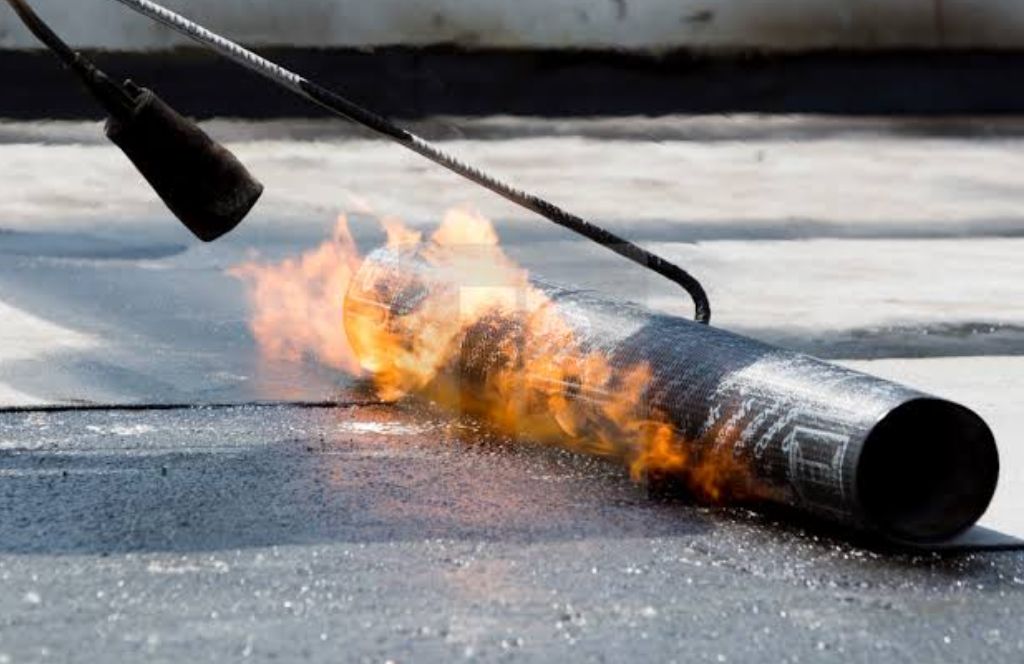
Roof materials must withstand weather, sun, and temperature fluctuations. Oxidized bitumen grades are commonly employed in roofing because they can:
High Resistance to Heat
They do not melt easily under intense sunlight. This is why they are ideal for hot climates.
Strong Adhesion
They can be bonded to roofing substrates. This decreases the risk of leakage.
Long-Term Durability
They are resistant to cracking and aging over time.
Low Maintenance
When properly installed, they require only minor repairs.
Many roofing systems use oxidized bitumen and reinforcement materials to produce an extremely tough surface.
4. Benefits of Bitumen Waterproofing Membrane Systems
Waterproofing is crucial for foundations, basements, tunnels, and roofs. Bitumen-based waterproofing membranes usually utilize oxidized bitumen as the primary component.
These membranes can provide:
- Excellent resistance to water
- High Tensile Strength
- Good flexibility
- Strong resistance to stress from the environment
In a waterproofing membrane made of bitumen, the oxidized bitumen creates a barrier to protect. It prevents water from entering structures.
Waterproof membranes made of the oxidized bitumen grade are typically employed to:
- Roof decks
- Underground structures
- Retaining walls
- Bridges
The durability of oxidized bitumen ensures consistent performance, even under the most demanding conditions.
5. Use for Industrial Coatings
In industrial environments, materials are exposed to chemicals, heat, and mechanical strain. Oxidized bitumen grades are utilized in protective coatings to:
- Pipes
- Tanks
- Metal surfaces
- Concrete surfaces
These coatings protect surfaces from moisture and corrosion.
Industrial coatings made of bitumen that has been oxidized offer:
- Strong resistance to chemicals
- High adhesion of metal
- Reducing surface wear
- Longer-lasting surface
Oxidized bitumen, thanks to its durability, can also be employed in flooring and soundproofing applications.
6. Oxidized Bitumen vs Cut Back Bitumen
People often compare oxidized bitumen with Cut back bitumen.
They are both bitumen products, but they behave differently.
Cut back bitumen is bitumen mixed with a solvent.
The solvent makes it thinner, so it can be applied more easily at lower temperatures.
That is why cut back is often used in road work and surface dressing.
Here is a simple comparison:
| Feature | Oxidized Bitumen Grades | Cut back Bitumen |
| How it’s made | Air blown at high heat | Bitumen mixed with solvent |
| Heat stability | Higher | Lower |
| Main uses | Roofing, membranes, coatings | Roadwork, priming, patching |
| Drying behavior | Sets as it cools | Dries as solvent evaporates |
So the “better” product depends on the job.
For roofing and waterproofing, oxidized bitumen grades are often preferred because they stay stable under heat.
7. Why Choosing the Right Oxidized Bitumen Manufacturer Matters
The efficiency of oxidized bitumen is dependent on the quality of production. A reputable manufacturer of oxidized bitumen assures consistency in grade specifications.
Considerations to be made about
- Standards for quality control
- Persistently high penetration and softening value
- Storage and packaging that is properly packaged
- Conformity to international standards
A reputable oxidized bitumen producer ensures that the products meet the project’s expectations.
Black Rock Bitumen focuses on providing reliable materials suitable for construction and industry use.
8. Did You Know Facts?
Did you know that oxidized bitumen can withstand high temperatures without flowing?
It is widely used in bridge waterproofing systems.
Many sound insulation systems rely on oxidized bitumen for vibration control.
These characteristics make oxidized bitumen grades extremely flexible.
Conclusion
Oxidized Bitumen Grades play an important role in waterproofing, roofing, and industrial roofing. Their durability, heat resistance, and water resistance make them trustworthy materials that will last a long time.
When used as a waterproofing membrane made from bitumen or as an industrial coating, they provide strong protection against environmental stress.
Choosing the best grade and procuring it from a reputable supplier of oxidized bitumen will ensure project success.
Black Rock Bitumen understands the importance of using quality products in industrial and construction applications.
Select the best grade of bitumen now to ensure your structure is protected for many years to come.

Content Writer, Global Bitumen Supply & Market Insights, Black Rock Bitumen
Farheen Fatima is an infrastructure materials writer specializing in bitumen supply, asphalt technology, and global road construction. He shares practical insights on bitumen grades, supplier evaluation, and international standards to help contractors and project teams make informed procurement decisions.